

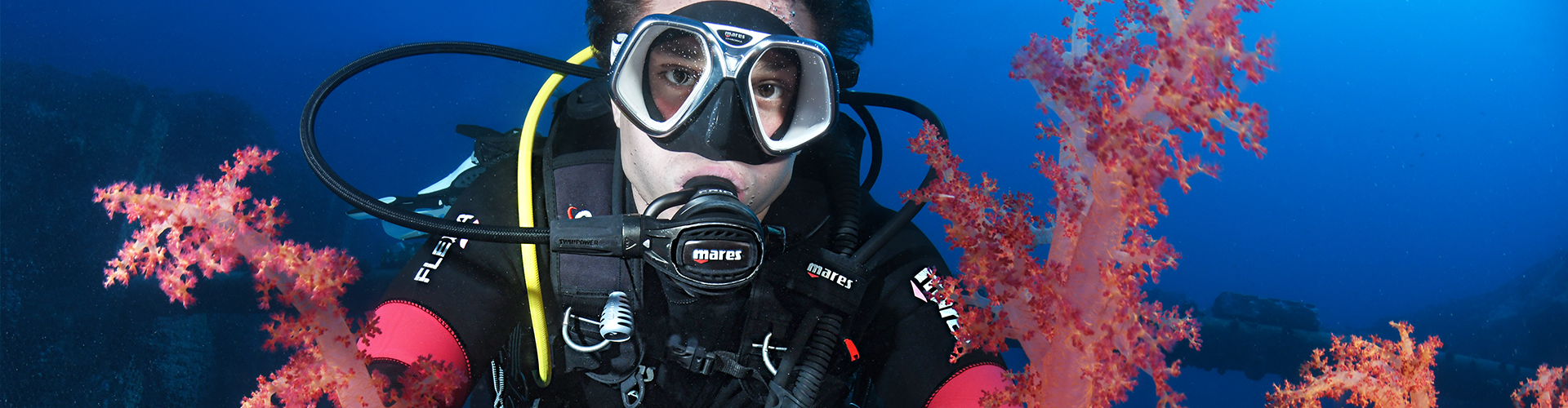
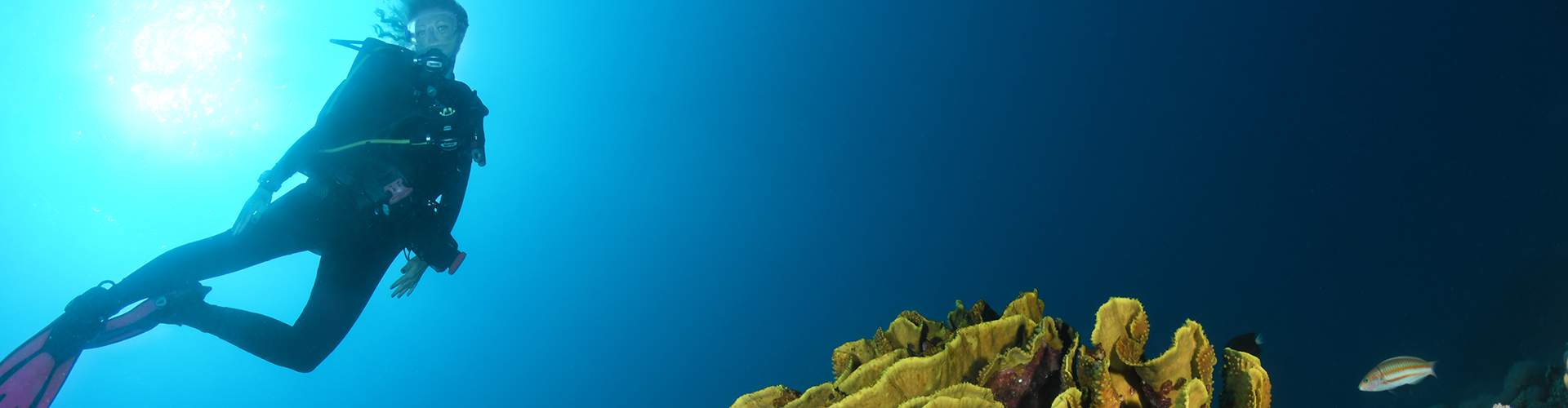
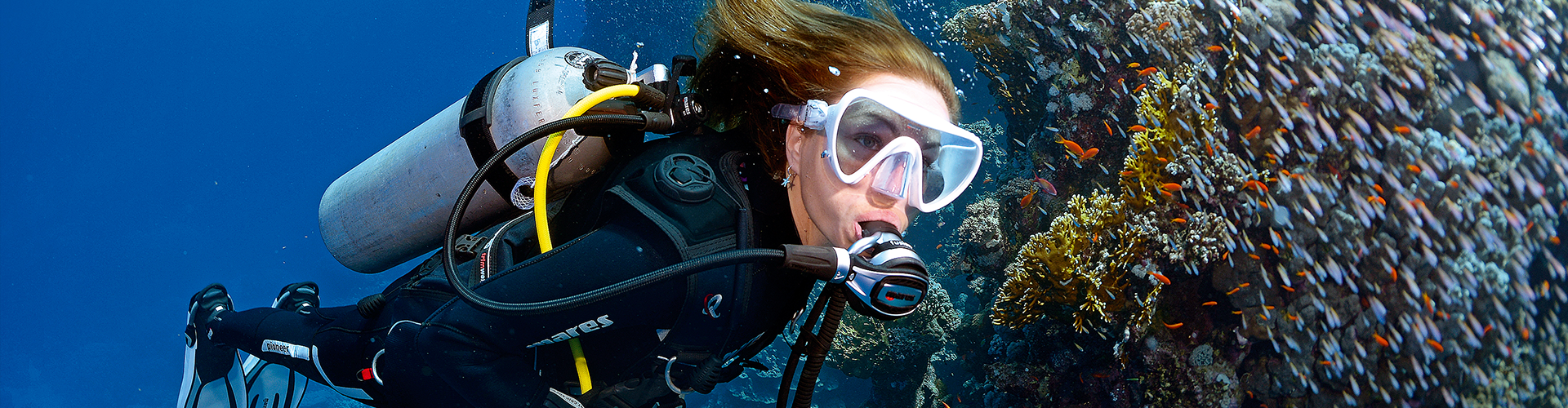
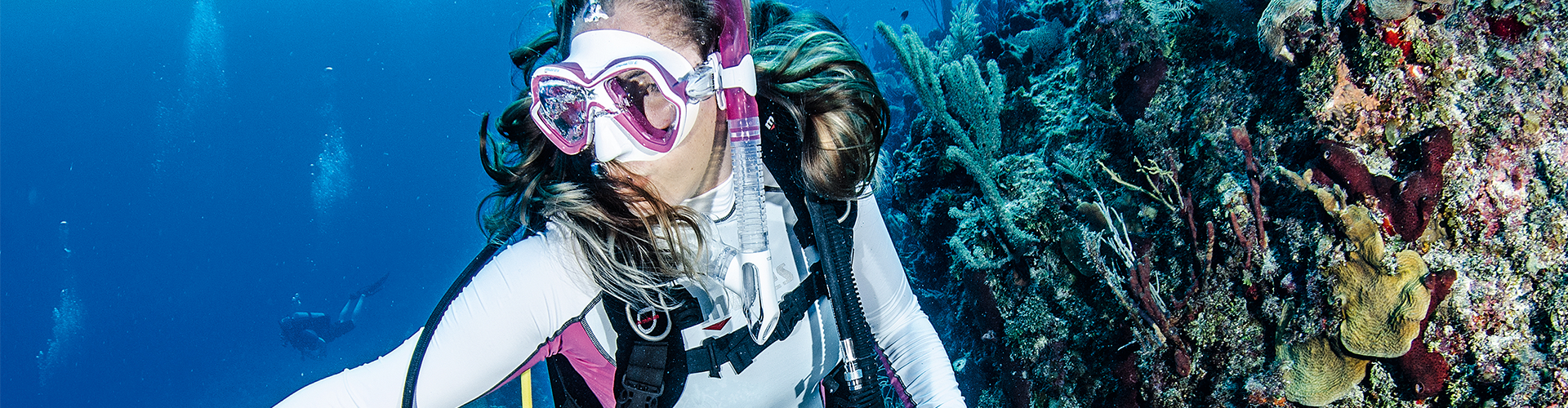
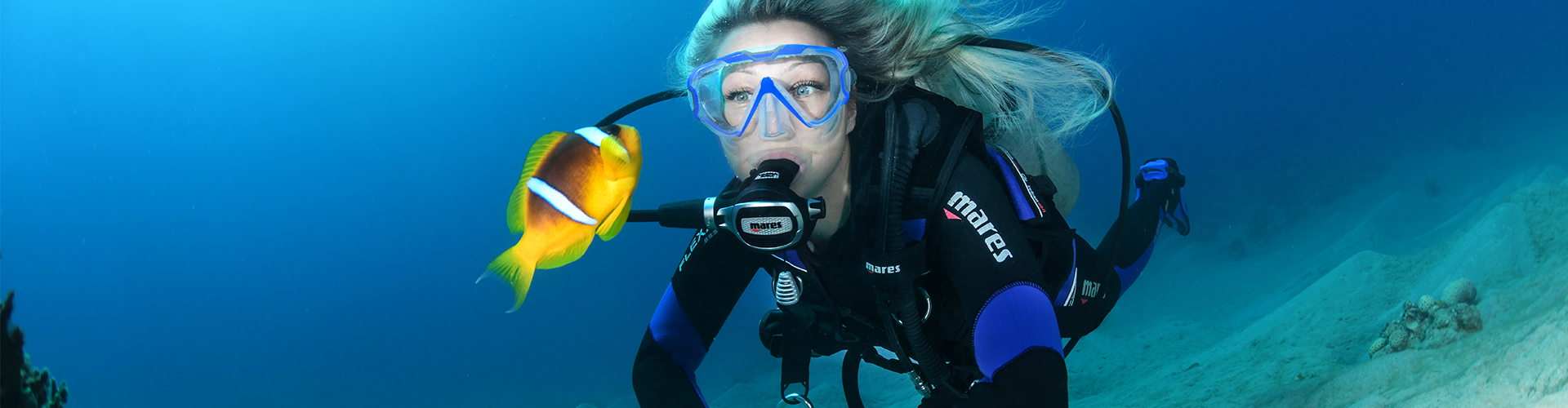
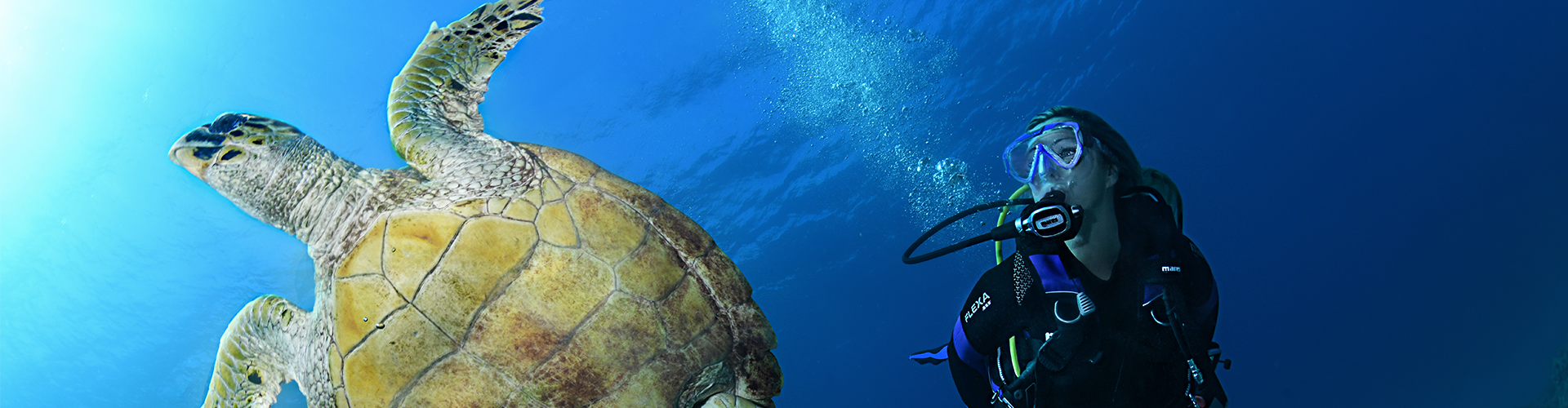


What is MARS 4740 – Scientific Diving?
MARS 4740 is an upper-level science elective offered at the University of Georgia, open to students of all majors.
This is not your typical lecture-based class. It brings hands-on, in-the-water experience where students learn the fundamentals of scuba diving while building practical skills used in scientific and professional diving.
Students earn 2 upper-level science elective credits while gaining experience that goes far beyond the classroom.
What You’ll Learn
Throughout the semester, students develop comfort and capability underwater while working through a variety of real-world diving skills, including:
- Surveying a mock shipwreck
- Communicating underwater using full-face masks
- Operating underwater scooters (DPVs)
- Navigating with reels and measuring tapes
- Building strong buoyancy control, awareness, and teamwork skills
Our goal is simple: help students become confident, capable divers who are comfortable working underwater in a controlled, supportive environment.
This could be your classroom.
What are the associated costs?
Lab Fee
This fee covers the cost of scuba gear used throughout the semester and all tank air fills necessary to complete the course.

Optional Open Water Certification
Students also have the option to complete their full Open Water Scuba Certification with Dolphin Dive Center during one of our monthly dive trips.
While certification is not required to complete the MARS 4740 course, most students choose to continue their training and earn their certification.
Checkout dives are typically held at:
Lake Jocassee, South Carolina (seasonal)
Vortex Springs, Florida
Certification Cost
The optional Open Water Certification fee is $395 and includes:
- Instructor-led checkout dives
- All rental scuba equipment
- Certification processing fees
- Park and diving entry fees
Travel is not included.
A Course Students Remember
MARS 4740 is a unique opportunity to step outside the traditional classroom and learn something completely new.
Students leave the course with:
- Practical, real-world skills
- Increased confidence in a new environment
- A strong foundation in scuba diving
For many, it’s the start of a lifelong interest in diving.


